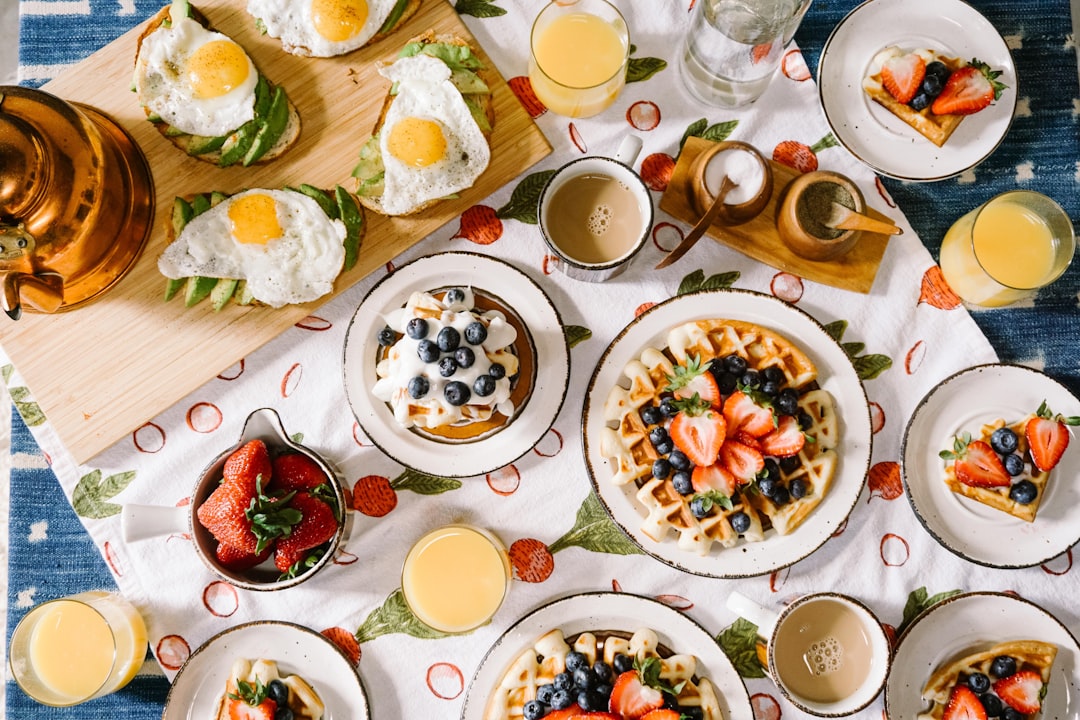
These healthy school lunch ideas make weekday packing easier with a reusable formula: choose a filling protein, a satisfying carbohydrate, one or two colorful produce items, and a small optional extra. You will find 25 packable combinations, a comparison table, a five-day assembly plan, and practical checks for food safety, allergies, texture, and picky preferences.
Overview
A balanced lunch does not need to be elaborate or perfectly portioned. The most useful lunchbox is one your child will open, recognize, and have enough time to eat. Start with familiar foods, then make one small change at a time.
Use this lunchbox template:
- Protein: beans, lentils, eggs, yogurt, cheese, chicken, tuna, tofu, hummus, or nut or seed butter where permitted.
- Energy-giving carbohydrate: whole-grain bread, tortillas, pita, crackers, pasta, rice, quinoa, potatoes, or oats.
- Produce: fruit, vegetables, or both. Choose items that travel well and match your child's preferences.
- Optional extra: a dip, plain popcorn, trail mix without restricted allergens, olives, or a small treat.
For younger children, cut foods into safe, manageable shapes and follow your household's age-appropriate feeding guidance. Ask the school about allergy rules, refrigerator access, microwave availability, and whether a thermos is practical.
| Lunch idea | Prep | Storage | Common allergens | Food groups |
|---|---|---|---|---|
| Turkey and cheese roll-ups with grapes and cucumber | 10 minutes | Chilled | Milk; wheat if served with crackers | Protein, grain, fruit, vegetable |
| Hummus pita box with carrots and orange wedges | 10 minutes | Chilled | Sesame; wheat | Protein, grain, fruit, vegetable |
| Chicken rice bowl with corn and avocado | 15 minutes | Chilled or thermos | Check toppings and sauces | Protein, grain, vegetable, fruit |
| Bean and cheese quesadilla with salsa and berries | 15 minutes | Chilled | Milk; wheat | Protein, grain, fruit, vegetable |
| Yogurt, oats, banana, and seed box | 5 minutes | Chilled | Milk; possible seed allergy | Protein, grain, fruit |
| Vegetable pasta salad with chickpeas | 20 minutes | Chilled | Wheat; possible dairy | Protein, grain, vegetable |
Checklist by scenario
25 healthy school lunch ideas
- Turkey, cheese, and spinach sandwich with apple slices.
- Chicken salad in a whole-grain pita with cucumber rounds.
- Hummus, pita wedges, carrots, and orange segments.
- Bean and cheese quesadilla with mild salsa and strawberries.
- Egg salad on crackers with snap peas and melon.
- Chicken, rice, corn, and avocado bowl.
- Tofu cubes, edamame, rice, and steamed broccoli.
- Whole-grain pasta salad with chickpeas and diced vegetables.
- Tuna and cucumber crackers with grapes.
- Cheese and bean pinwheels with bell pepper strips.
- Greek-style yogurt with oats, banana, and pumpkin seeds where allowed.
- Sunflower-seed butter sandwich with pear slices and cucumber.
- Mini whole-grain bagel with cream cheese, tomatoes, and berries.
- Cold roasted chicken, potato cubes, and green beans.
- Lentil dip with pita, cherry tomatoes, and peach slices.
- Thermos vegetable and bean soup with whole-grain crackers.
- Thermos chicken noodle soup with fruit on the side.
- Thermos lentil pasta with tomato sauce and grated cheese.
- Thermos oatmeal with banana and a separate yogurt cup, if suitable.
- Black bean rice bowl with shredded lettuce and pineapple.
- Whole-grain wrap with egg, lettuce, and grated carrot.
- Mini meatballs with pasta, peas, and a fruit cup packed safely.
- Hummus and roasted vegetable wrap with grapes.
- Cheese cubes, whole-grain crackers, hard-boiled egg, and berries.
- Snack box with chickpeas, pita, cucumber, apple, and a small homemade muffin.
For a child who prefers separate foods
Pack components rather than combining them: plain chicken, bread or crackers, fruit, and vegetables in separate compartments. Offer dips in a small container. This keeps flavors and textures distinct while still using the same balanced structure as a sandwich or bowl.
For a vegetarian lunchbox
Rotate eggs, yogurt, cheese, beans, lentils, tofu, edamame, hummus, and seed butter where permitted. Pair a plant-based protein with a grain or starchy food, such as beans with rice or hummus with pita, and add produce for color and variety.
For a thermos lunch
Choose foods that stay appealing when soft or warm: bean chili, lentil soup, vegetable pasta, rice with chicken, or oatmeal. Preheat the thermos according to its instructions, pack the food as directed, and keep cold items separate. A thermos is useful only if your child can open it safely and has enough time to eat.
Five-day assembly plan
| Day | Main | Produce | Simple prep |
|---|---|---|---|
| Monday | Turkey and cheese sandwich | Apple and cucumber | Slice produce the night before. |
| Tuesday | Hummus pita box | Carrots and orange | Portion hummus and wash produce. |
| Wednesday | Chicken rice bowl | Corn and avocado | Use leftover cooked rice and chicken. |
| Thursday | Bean and cheese quesadilla | Berries and peppers | Cook extra beans or use a prepared option. |
| Friday | Thermos lentil soup | Pear and whole-grain crackers | Reheat soup in the morning and check the lid. |
What to double-check
- Temperature control: Use an insulated lunch bag and cold pack for foods that need chilling. Use a suitable thermos for hot foods. Follow the storage directions for packaged foods and your school or local food-safety guidance.
- Allergen rules: Confirm classroom and cafeteria restrictions before packing nuts, seeds, dairy, eggs, wheat, soy, or sesame. Read labels when ingredients are packaged, and avoid relying on assumptions about shared equipment.
- Eating time: Pack foods that can be opened quickly and eaten without complicated assembly. Test new containers at home.
- Texture: Keep wet ingredients separate when bread may become soggy. Pack dips apart, vent foods that need to cool before sealing, and consider whether your child likes foods cold, warm, crisp, or soft.
- Portion and appetite: Pack a realistic amount. A small refillable water bottle can accompany lunch, subject to school rules.
Before packing leftovers, cool and store them promptly using your household's normal food-safety routine. When in doubt about a perishable food's condition, do not pack it.
Common mistakes
- Changing everything at once: Keep the main item familiar and introduce one new fruit, vegetable, dip, or grain at a time.
- Confusing variety with complexity: A sandwich, fruit, and one vegetable can be a complete-feeling lunch. Three elaborate recipes each week are not necessary.
- Ignoring packaging: A nutritious meal is less useful if the container leaks or cannot be opened. Practice with lunchbox hardware before the first school day.
- Forgetting leftovers: Cooked rice, chicken, beans, pasta, and roasted vegetables can become bowls, wraps, or snack boxes. Label portions and refrigerate or freeze them appropriately for your plan.
- Using pressure as a strategy: Invite children to help choose between two produce options or select a dip. Familiar repetition is normal; keep offering variety without making lunch a daily negotiation.
When to revisit
Review your lunch routine at the start of each school term, after a change in classroom or allergy rules, and when the weather changes enough to affect cold packs or thermos use. Revisit it after a child reports that food is leaking, arriving warm, becoming soggy, or returning uneaten.
Once a week, use this five-minute checklist: check the school rules, inspect containers and ice packs, choose three proteins and three produce options, plan one leftover lunch, and note which foods came home untouched. Rotate seasonal produce and familiar mains rather than rebuilding the entire plan. For more make-ahead ideas, see healthy meal prep for beginners, and use the packable lunch guide for additional storage ideas that can also work for older children.